Gochujang Braised Short Ribs
Gochujang straight from the tub is aggressive: salty, sweet and hot all at once, with a fermented edge that needs taming.
Time is the ingredient
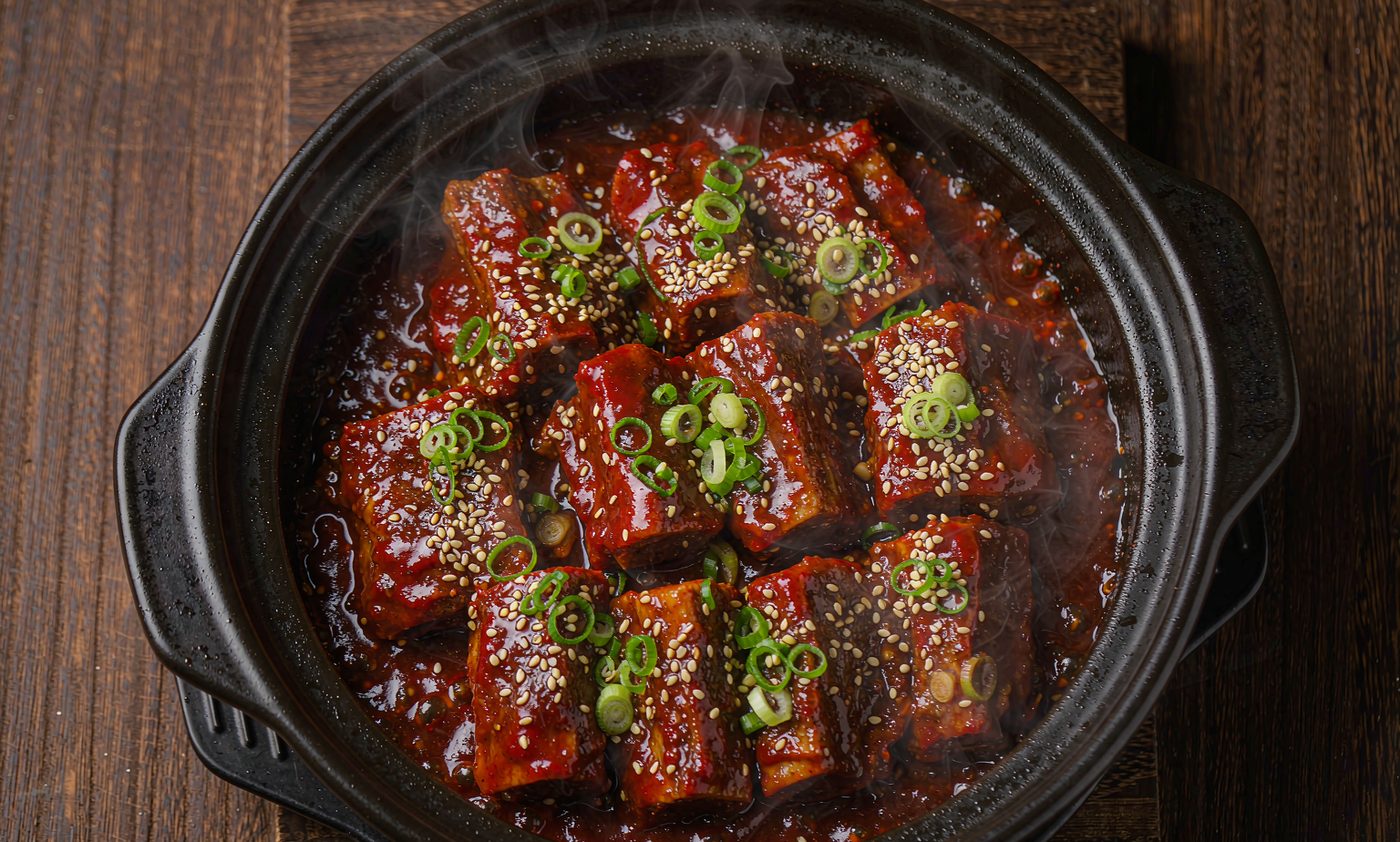
Gochujang straight from the tub is aggressive: salty, sweet and hot all at once, with a fermented edge that needs taming. Three hours in a covered pot with a lot of liquid is what tames it. The heat softens, the sweetness deepens, and what comes out is a thick, glossy sauce that tastes like it took all day — because it did, even though you were not there for most of it.
Short ribs are forgiving in a way that most braising cuts are not. They have enough fat and connective tissue to survive a long cook without drying out, and they release gelatin that gives the sauce its body. No flour, no cornflour.
The step people skip is chilling the braise overnight, and it is worth doing. The fat sets on top and lifts off in one piece, and the sauce underneath tastes noticeably cleaner. It also means the dish improves on day two, which is rare enough to be worth planning around.
Ingredients
Instructions
Heat the oven to 150°C fan. Pat the short ribs dry and season all over with the salt.
Set a large ovenproof casserole over high heat with the oil. Brown the ribs in batches, 4 minutes per side, until deeply coloured. Do not rush this or crowd the pan — the browned crust is the base flavour of the sauce. Set the ribs aside.
Turn the heat to medium, tip in the onions, garlic and ginger, and cook for 8 minutes, scraping the base of the pan as they soften so nothing catches.
Stir in the gochujang, soy sauce, honey, rice vinegar and sesame oil. Cook for 2 minutes, until the paste darkens and smells toasted rather than raw.
Pour in the stock and mirin, bring to a simmer, and return the ribs to the pot bone-side up. They should be about two-thirds submerged. Add a splash more stock if not.
Cover and transfer to the oven for 2 hours 45 minutes, until the meat is completely tender and a knife slides through without resistance. Turn the ribs once at the halfway point.
Uncover, raise the oven to 200°C, and cook for a further 20 to 25 minutes, until the sauce has reduced and glazed the exposed meat. Baste twice during this stage.
Rest for 15 minutes, then skim any fat from the surface of the sauce. Serve the ribs with the sauce spooned over, scattered with spring onions and sesame seeds, and steamed rice alongside.
Testing notes & substitutions
Chill overnight if you can
Put the whole pot in the fridge once it has cooled, then lift off the solid fat the next morning and reheat gently. The sauce will be noticeably cleaner and more intensely flavoured.
Gochujang heat varies wildly
Brands range from mild to genuinely fierce. Start with three tablespoons if yours is unfamiliar, taste at the two-hour mark, and add more if it needs it — the chilli concentration rises as the sauce reduces.
Keep the bones in
Boneless short rib braises faster and dries out. The bone also gives the sauce gelatin, which is what makes it cling to the meat rather than run off it.
Questions we get a lot
Can I use a slow cooker?
Yes — brown everything on the hob first, then cook on low for 6 to 7 hours. Finish the sauce on the hob over high heat so it reduces and glazes, which a slow cooker cannot do.
It is too spicy — how do I fix it?
Stir in a tablespoon of honey and two of rice vinegar, and serve with plenty of rice or a spoonful of yoghurt. Adding fat and sugar buffers capsaicin far better than adding liquid.
What cut can I substitute?
Beef shin, chuck or oxtail all work on the same schedule. Shin is the closest match. Avoid anything lean — it will be dry by hour two.
Dana Reyes
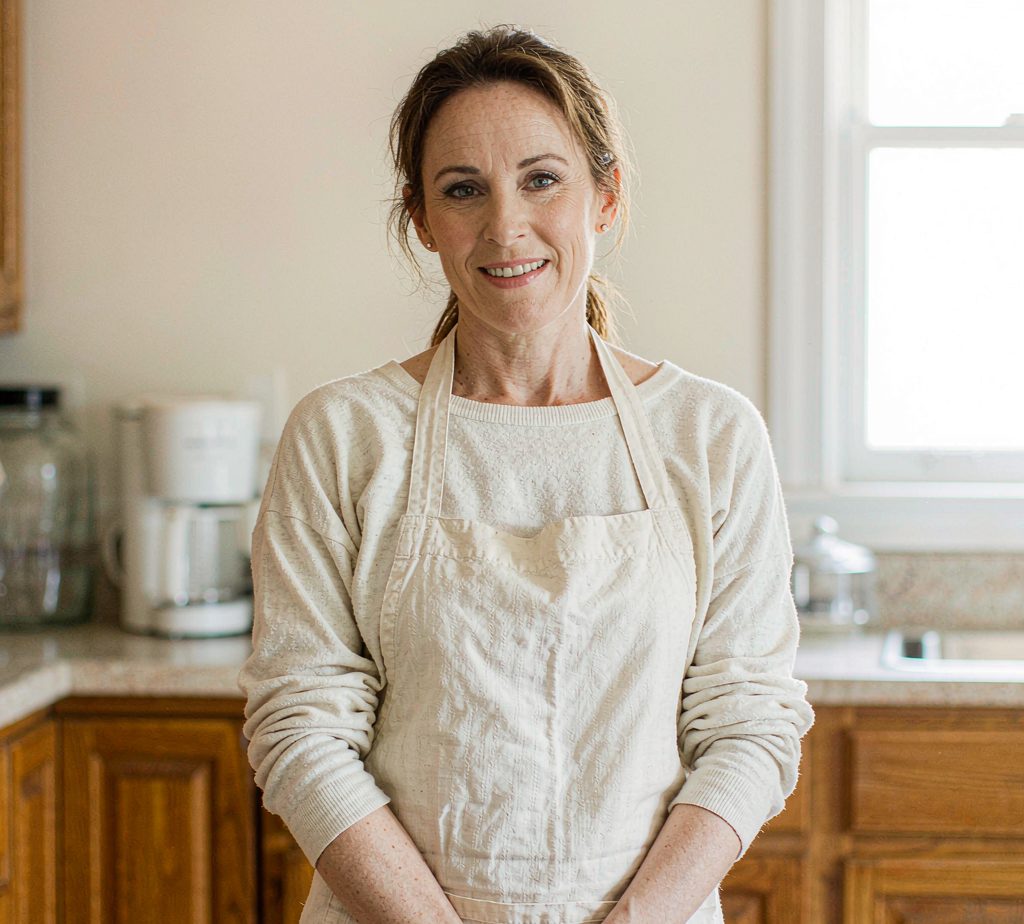
Dana has cooked professionally for eleven years and has been testing recipes for Hearth & Thyme since 2019. She writes about weeknight cooking, slow breads, and the small techniques that quietly change a dish. Every recipe she publishes is cooked at least twice, in an ordinary home oven.
Keep cooking